The Importance of Window Hardware: A Comprehensive Guide
Windows are an important component of any building, serving not just as a connection between the exterior and interior but likewise playing a crucial role in energy effectiveness, security, and aesthetics. While the glass and frame typically take the spotlight, the hardware that operates and protects these windows is similarly essential. This article explores the world of window hardware, exploring its different types, functions, and the essential factors to consider for picking and preserving it.
What is Window Hardware?
Window hardware describes the mechanical elements that allow windows to operate properly. These components consist of manages, hinges, locks, and other mechanisms that enable windows to open, close, and lock firmly. High-quality window hardware is necessary for guaranteeing that windows run smoothly, safely, and effectively, adding to the general convenience and security of a building.
Types of Window Hardware
Deals with and Operators
- Lever Handles: These are frequently used for sash and awning windows. They provide a basic and classy method to run the window, requiring minimal effort to turn and open.
- Knob Handles: Often found on double-hung and sliding windows, knob manages are easy to grip and turn, making them appropriate for most users.
- Crank Operators: Used for larger sash and awning windows, crank operators provide a mechanical benefit, making it much easier to open and close heavy or hard-to-reach windows.
Hinges and Pivots
- Butt Hinges: These are the most typical kind of hinge, utilized for hinged windows like sashes. They are basic and reliable, including two plates that are screwed to the window and frame.
- Friction Hinges: These are used for windows that require to stay open at different angles, such as tilting and turning windows. They supply resistance to keep the window in location.
- Pivots: Used for pivot windows, these hinges permit the window to rotate around a main axis, providing a special and unblocked view.
Locks and Latches
- Wedge Locks: These are simple locks that move into a slot to secure the window. They are typically utilized on moving and double-hung windows.
- Web cam Locks: These locks use a rotating web cam to protect the window. They are commonly found on sash and awning windows, offering a strong and secure hold.
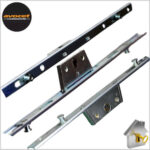
- Multi-Point Locks: These innovative locks apply pressure at multiple points, ensuring a tight seal and improved security. They are frequently utilized on larger or exceptional windows.
Weather Stripping and Seals
- Foam Weather Stripping: This is a flexible strip that fits in between the window and frame to prevent air and water leaks.
- Rubber Weather Seals: These seals are more long lasting and provide better insulation. They are often utilized on high-performance windows.
- Brush Seals: These are normally used on moving windows to prevent drafts and lower noise.
Screen Hardware
- Screen Handles: These are used to eliminate and reinsert window screens. They are usually designed to be simple to utilize while offering a safe fit.
- Screen Spring Hinges: These hinges assist to keep the screen in location and ensure it opens and closes smoothly.
Functions of Window Hardware
Operation
- Reduce of Use: High-quality deals with and operators make sure that windows can be opened and closed with very little effort, even for those with minimal strength or dexterity.
- Smooth Movement: Properly working hinges and pivots make sure that windows move efficiently and without resistance, improving the user experience.
Security
- Locking Mechanisms: Strong and trusted locks are essential for preventing unauthorized access and making sure that windows remain safely closed.
- Child Safety Features: Some window hardware consists of child safety locks that prevent windows from opening too wide, reducing the danger of falls.
Energy Efficiency
- Weather Stripping: Effective weather removing assists to prevent air leaks, which can substantially affect energy effectiveness and reduce heating and cooling expenses.
- Seals: High-quality seals make sure a tight fit in between the window and frame, further improving energy performance.
Looks
- Design and Finish: The design and finish of window hardware can complement the overall look of the window and the building. Alternatives vary from modern and sleek to conventional and ornate.
Key Considerations for Selecting Window Hardware
Material
- Metal: Materials like steel, aluminum, and brass are resilient and resistant to deterioration, making them perfect for lasting window hardware.
- Plastic: While less durable than metal, plastic hardware can be economical and is frequently used in economical window systems.
Toughness
- Use and Tear: Choose hardware that can withstand the wear and tear of daily usage, specifically in high-traffic areas.
- Deterioration Resistance: For windows in humid or coastal locations, select hardware that is resistant to corrosion and rust.
Ease of Installation
- Compatibility: Ensure that the hardware you select is suitable with your existing window system to avoid the requirement for substantial adjustments.
- User-Friendly: Some hardware is simpler to install than others. Choose for systems that are easy to use and do not need customized tools or proficiency.
Security Features
- Locking Mechanisms: Consider hardware with advanced locking functions, such as multi-point locks, for improved security.
- Kid Safety: If you have young kids, try to find hardware that consists of child security includes to prevent unintentional falls.
Visual Appeal
- Design: Choose hardware that complements the style of your windows and the overall aesthetic of your structure.
- Surfaces: Various surfaces, such as brushed nickel, bronze, and matte black, can improve the look of your window hardware.
Maintenance and Care
Routine Cleaning
- Dust and Debris: Regularly clean the hardware to eliminate dust and particles that can accumulate and impact performance.
- Salt and Corrosion: For windows in coastal locations, use a solution of mild soap and water to clean the hardware and prevent salt accumulation.
Lubrication
- Moving Parts: Apply a light lube to moving parts, such as hinges and operators, to ensure smooth operation.
- Prevent Over-Lubrication: Too much lubricant can attract dirt and dust, so utilize it sparingly.
Assessment
- Check for Wear: Regularly inspect the hardware for indications of wear and tear, such as loose screws or damaged elements.
- Replace as Needed: Replace any worn or damaged hardware promptly to preserve the performance and security of your windows.
Specialist Service
- Annual Check-Ups: Consider having a professional check and preserve your window hardware yearly to make sure everything remains in excellent working order.
- Expert Repairs: For more complex concerns, it is best to seek advice from an expert to avoid causing further damage.
FAQs
What is the most typical type of window hardware?
- The most common types of window hardware include lever deals with, butt hinges, and wedge locks. These parts are basic, dependable, and extensively used in various window systems.
How often should window hardware be replaced?
- The life-span of window hardware depends upon elements such as quality, use, and maintenance. Typically, high-quality hardware can last 10-15 years with appropriate care. Nevertheless, lock maintenance is a good idea to examine and replace any used or damaged parts as required.
Can I install window hardware myself?
- While some basic hardware, such as lever deals with and wedge locks, can be installed by homeowners, more intricate systems, like multi-point locks and friction hinges, may need professional setup to make sure correct functionality and security.
What should I do if my window hardware is stuck?
- If your window hardware is stuck, start by cleaning the elements to eliminate any dirt or particles. Apply a light lubricant to moving parts and attempt to operate the window again. If the problem continues, it might be needed to consult an expert.
Are there any environmentally friendly options for window hardware?
- Yes, some producers provide environment-friendly window hardware made from recycled products or created to improve energy effectiveness. Search for products with ecological accreditations or labels to ensure they meet your sustainability objectives.
Window hardware may look like a small information, but it plays a considerable role in the general efficiency and appearance of your windows. By comprehending the different kinds of hardware, their functions, and how to select and maintain them, you can make sure that your windows run efficiently, safely, and efficiently. Whether you are a homeowner, contractor, or designer, investing in top quality window hardware is a smart option that can pay dividends in comfort, security, and energy savings.
By following the guidelines and ideas provided in this short article, you can make informed choices about window hardware that will improve the functionality and appeal of your structure. Whether you are remodeling an existing space or creating a brand-new one, the right window hardware can make all the difference.